Denver rodent control is mostly a fall and winter problem. When nights on the Front Range start dropping toward freezing, mice go looking for warm, dry space, and the basements, garages, and wall cavities of Denver homes are the closest thing available. If you're finding droppings along a basement wall, hearing scratching in the walls after dark, or seeing chewed packaging in the pantry, call (983) 225-1941, say what you've found and where, and get connected with an independent local pro who removes the mice or rats and closes the way they got in.
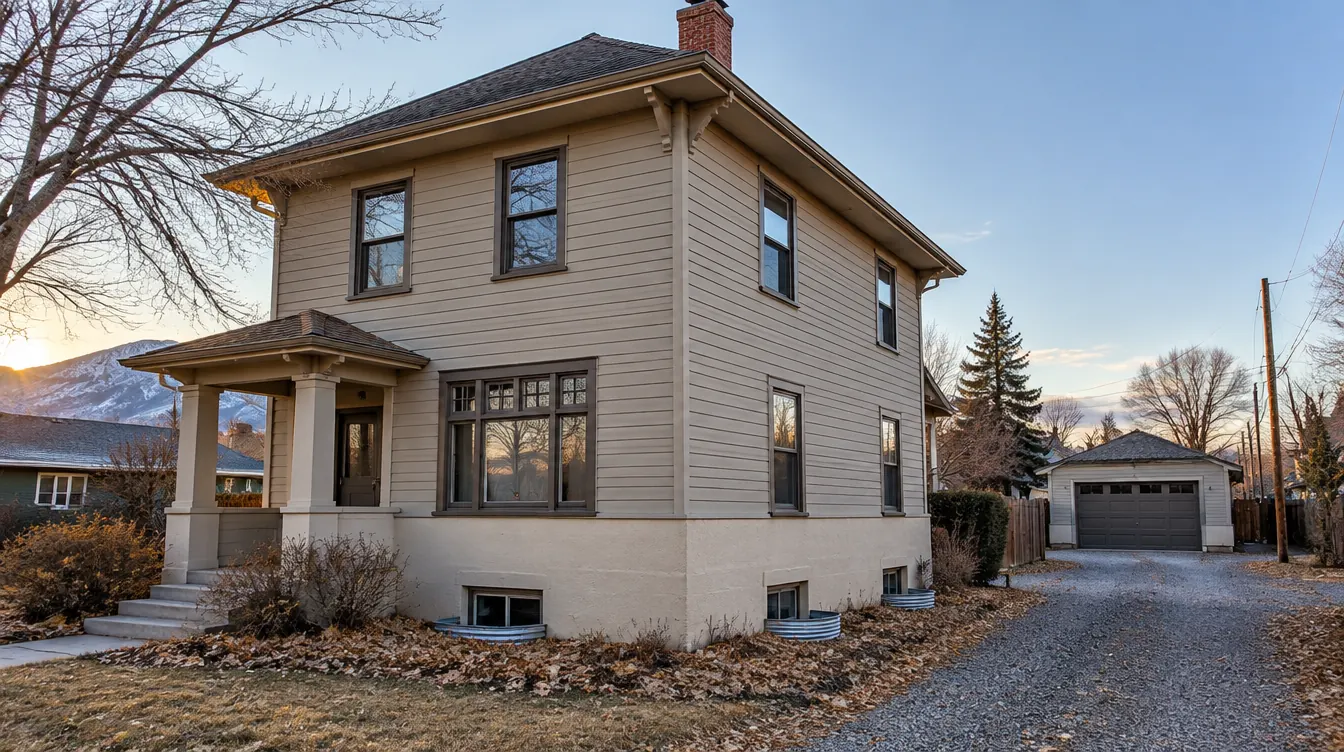
Mice move indoors as Denver nights turn cold. Describe where you're finding signs and get trapping started.
Call (983) 225-1941 NowMice and Rats Denver Homeowners Actually Deal With
Three rodents account for most calls in the metro:
- House mice are the most common. Small, gray-brown, and able to squeeze through a gap about the width of a pencil. They nest in insulation, behind appliances, and inside wall voids, and they breed fast once they're inside.
- Deer mice have a white belly and white feet and show up more in garages, sheds, cabins, and homes that back onto open space, the edges of Arvada, Littleton, Aurora, and Lakewood toward the foothills and prairie. Colorado public health officials point to deer mice as the main carrier of hantavirus, which is why their droppings need careful cleanup.
- Norway rats are larger, heavier burrowers that live along creeks, alleys, compost bins, and garages. They tend to come up from ground level rather than the roof.
This line covers rats and mice. Larger animals in the attic are a different kind of call.
Rodent Removal in Denver: How Mice Get In
Older Denver homes give rodents plenty of options. Bungalows and Denver Squares in Congress Park, Baker, the Highlands, and Park Hill often sit on stone or block foundations with old utility penetrations, basement window wells, and settled mortar. Garages off the alley, with worn door seals, are a common first stop. Newer tract homes in Central Park and the suburbs are tighter, but gaps at the garage door corners, dryer vents, and where gas or A/C lines enter the wall still let mice in.
Signs worth mentioning on the call:
- Droppings along baseboards, in drawers, or behind the stove
- Gnawed food packaging, insulation, or wiring
- Scratching or scurrying in walls and ceilings, especially at night
- Greasy rub marks along a wall or around a gap
- A musty smell in a closed room or the garage
Rodent Control and Prevention: Trapping Plus Exclusion
Good rodent pest control in Denver has two halves. The first is removal: traps or bait stations placed where activity is heaviest, checked and reset until captures stop. Many pros prefer traps inside living space so a rodent doesn't die inside a wall.
The second half is exclusion, which is what keeps the problem from coming back next October. That means finding and sealing entry points with materials rodents can't chew through: copper or steel mesh, sheet metal, hardware cloth, and sealant around pipes, vents, and foundation cracks, plus door sweeps and garage seals. Ask the pro whether exclusion is included or priced separately, and how many follow-up visits are part of the plan.
A few things at home help the work hold: store birdseed, pet food, and grass seed in sealed bins rather than bags in the garage, keep firewood and clutter off the foundation, and trim shrubs back from the siding so the gaps stay visible. None of that replaces sealing, but it removes the reasons mice pick your house over the one next door.
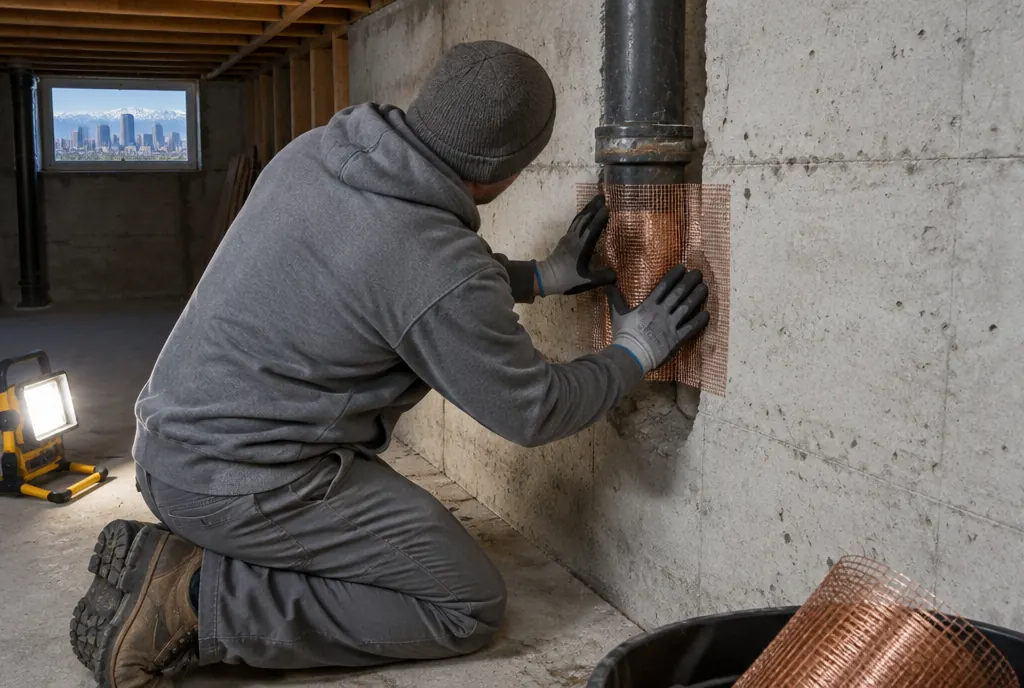
Dust from rodent waste is the real risk. Leave it, describe it on the call, and ask about safe cleanup.
Call (983) 225-1941 NowCleaning Up Droppings Safely
Don't sweep or vacuum dry rodent droppings. Stirring them up puts dust in the air, and with deer mice in the picture that is the hantavirus risk. Public health guidance is to ventilate the space, wet the droppings and nesting material with a disinfectant or bleach solution, and wipe them up with gloves on. For a heavy infestation in a garage, crawlspace, or attic, ask the pro whether droppings cleanup and sanitation are part of the job.
Mouse Removal in Denver: What to Ask on the Call
A useful call covers where you're seeing signs, how long it's been going on, whether it's a house, townhome, or apartment, and whether there's a garage, crawlspace, or unfinished basement. Price depends on the size of the home and how much exclusion work it needs, so check the pest control cost guide for typical Denver ranges. The Denver seasonal pest guide explains why fall is when most rodent calls start.
This number is a call-connection service, not a rodent control company. The pros are independent local businesses; before hiring one, ask for their Colorado Department of Agriculture applicator license number and proof of insurance. Everything else is on the Denver pest removal homepage. Call (983) 225-1941 and get the mice out before the coldest months settle in.
Ask about exclusion at the foundation, window wells, and garage door. That's the half of the job that lasts.
Call (983) 225-1941 Now